

All Is Well: Wellness Trends Shaping Multifamily Design
Multifamily design this year is defined by a strong emphasis on resident well-being, long-term sustainability, and personalized comfort. Current trends are moving away from minimalism toward more people-focused, authentic, and timeless environments.
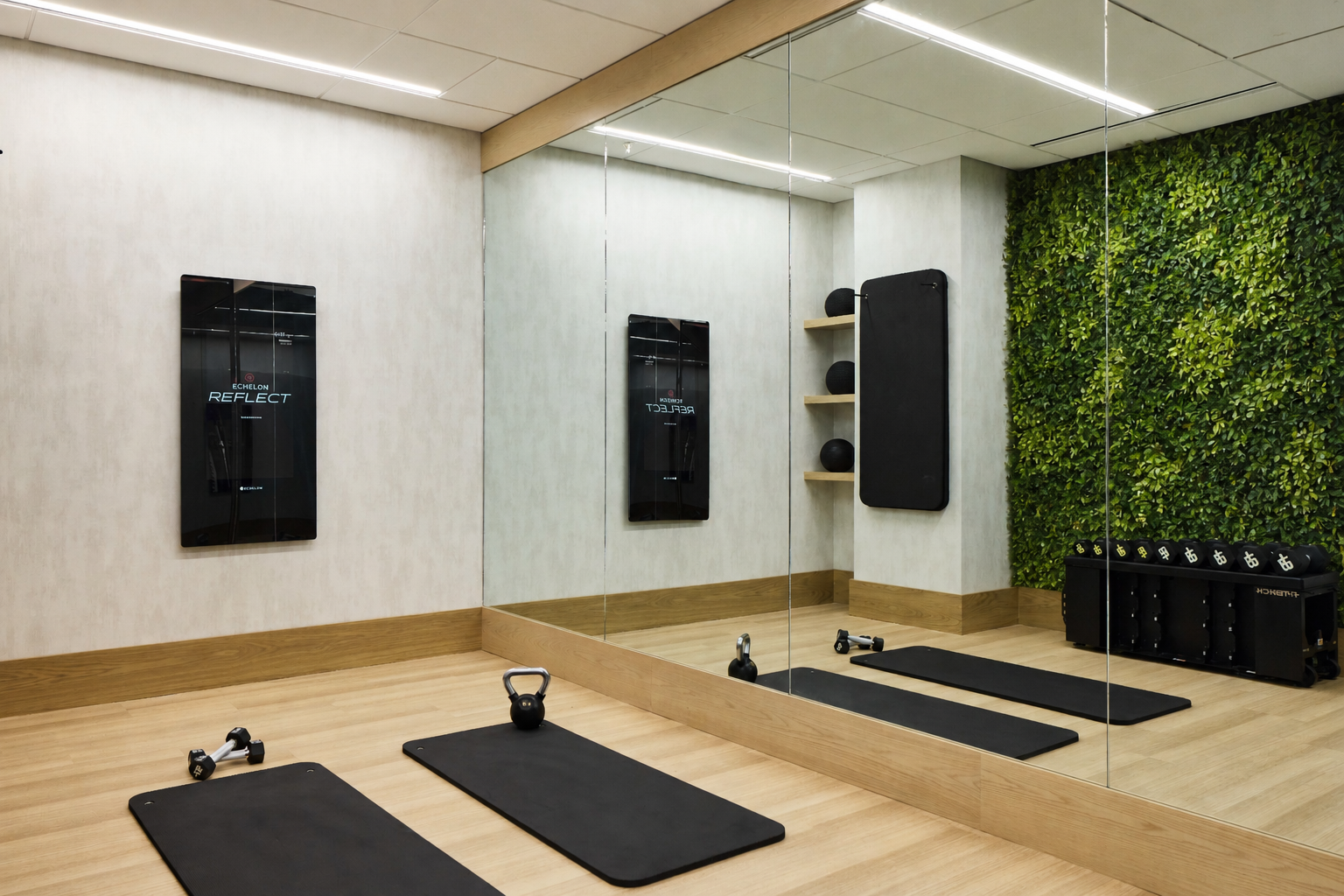
Traditional amenities like generic clubrooms, oversized lounges or standard gyms are no longer performing at the level they once did. While still included in new projects and renovations, they are being reimagined to support today's priorities: wellness, resident engagement, and physical activity.
Importantly, biophilic and natural elements, which play an important role in well-being, remain strong components of multifamily community projects. At Arden at Parkside, a group of three multifamily apartment buildings in Collegeville, Pennsylvania, unique design elements enhance the biophilic experience. Natural motifs and textures serve to bring the outdoors inside. Highlights include a semi-transparent glass space divider adorned with a serene forest scene, custom rugs inspired by natural patterns, and artisanal furnishings and lighting.
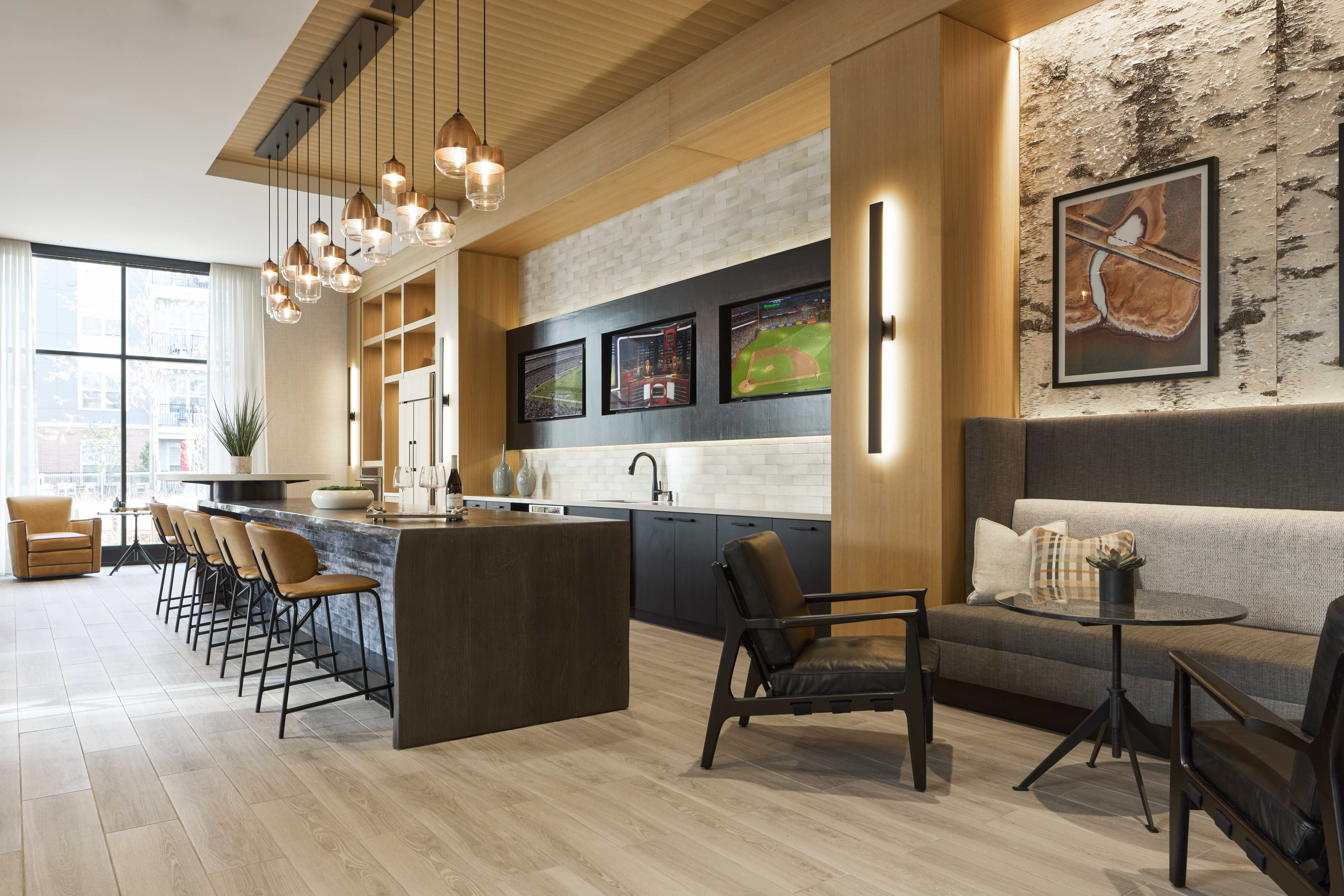
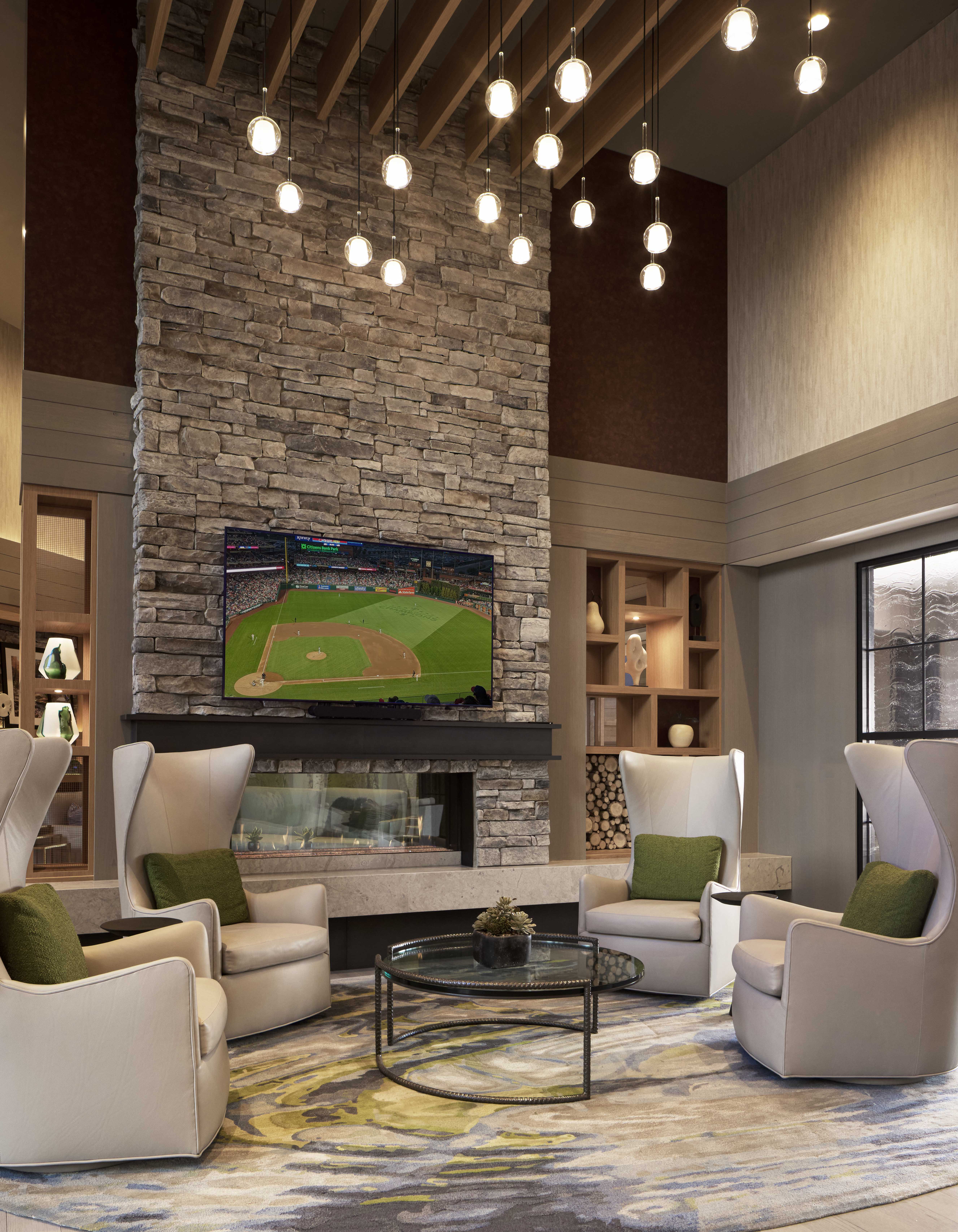
Here are three wellness features currently shaping the multifamily landscape:
1. Spaces that Nurture Mind and Body
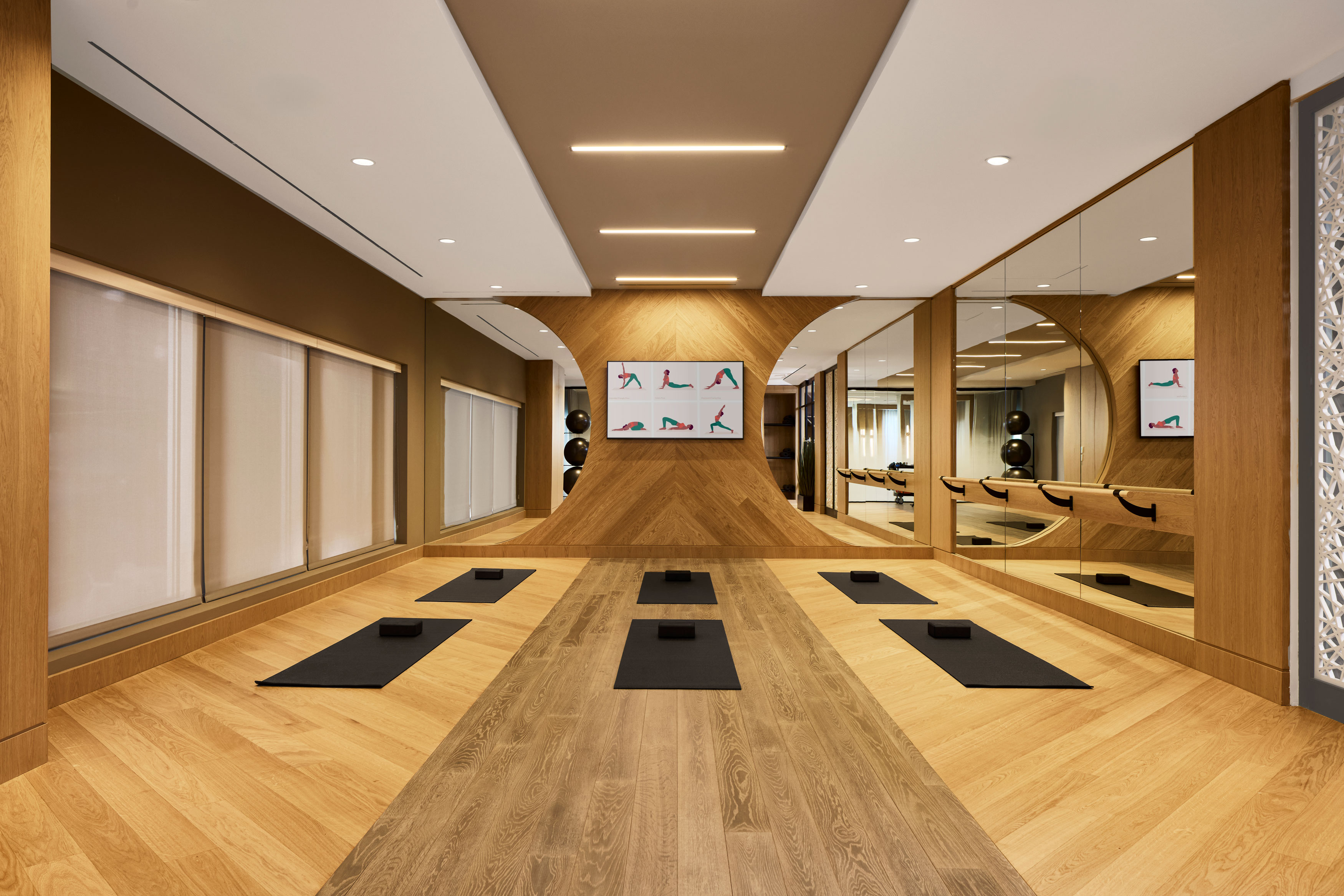
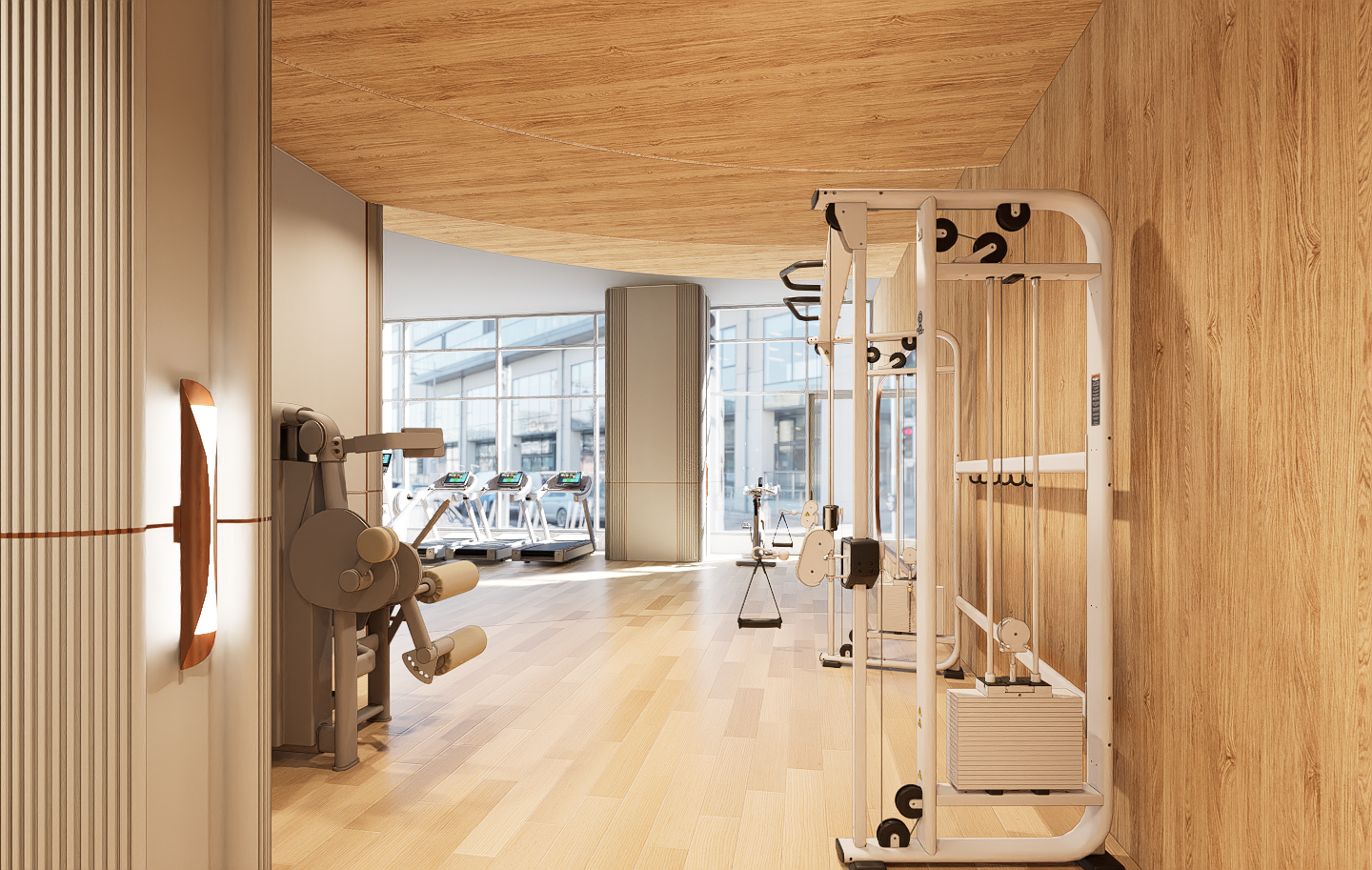
Spaces that support both mental and physical health have dominated the multifamily market this year and will continue to expand in multifamily design. Meditation rooms, yoga studios, sound therapy rooms, steam and aromatherapy showers, cold plunges, saunas, and advanced in-unit wellness features like enhanced air filtration and acoustic comfort are increasingly expected amenities in multifamily communities.

2. Focus on the Great Outdoors
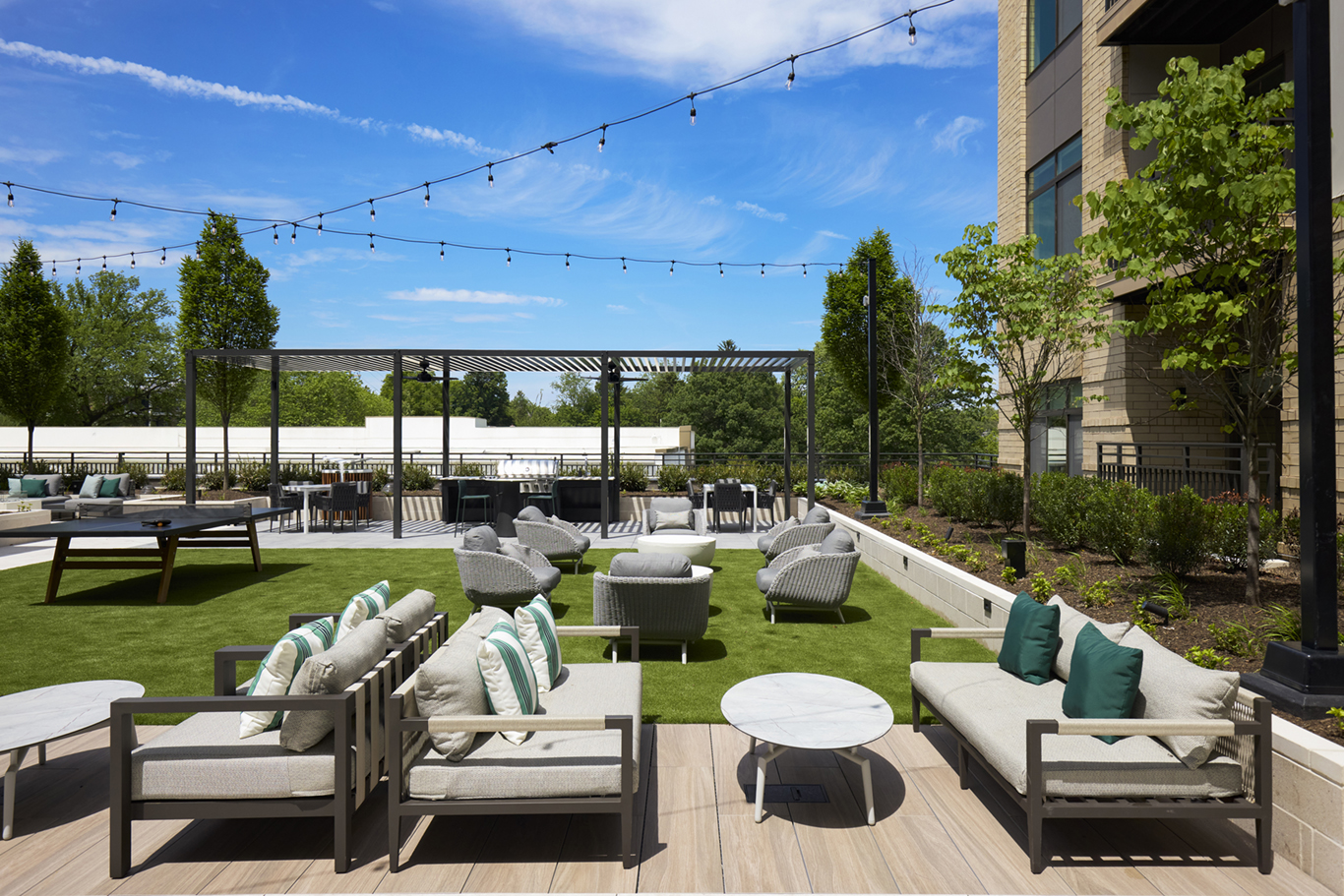
Exterior activity areas continue to be must-haves for renters. Importantly, these elements extend the usable amenity footprint and can serve as primary social hubs. Outdoor activity zones remain exceptionally desirable, including pickleball courts, outdoor fitness areas, fire pits, lounge zones, kitchens, and gaming areas. A multifamily development located just outside Philadelphia’s northwest suburbs, Coulter Place, features thoughtfully designed market-rate units, where residents enjoy over 15,000 square feet of outdoor spaces across two expansive roof decks.
3. Spaces that Inspire Creative Exploration
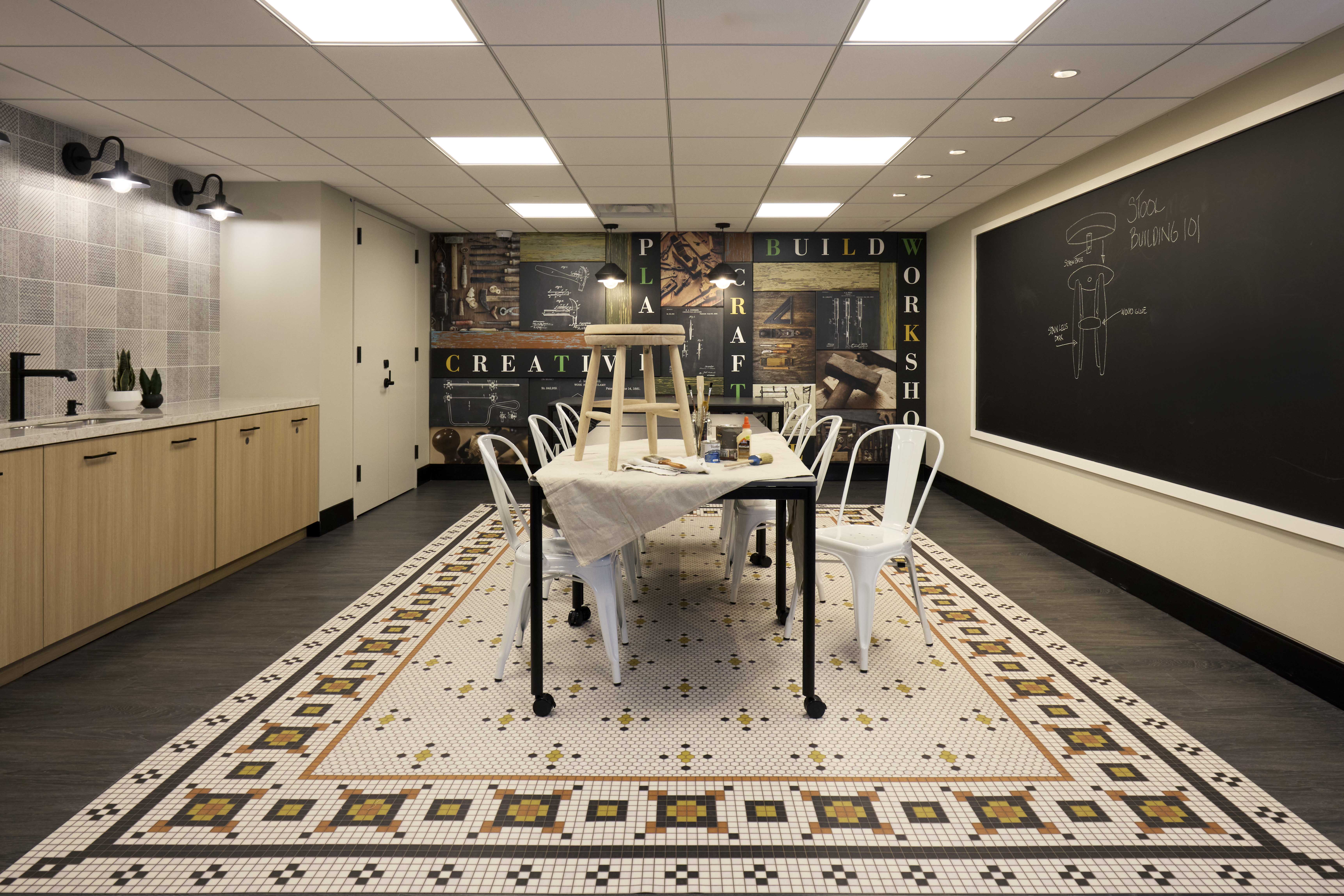
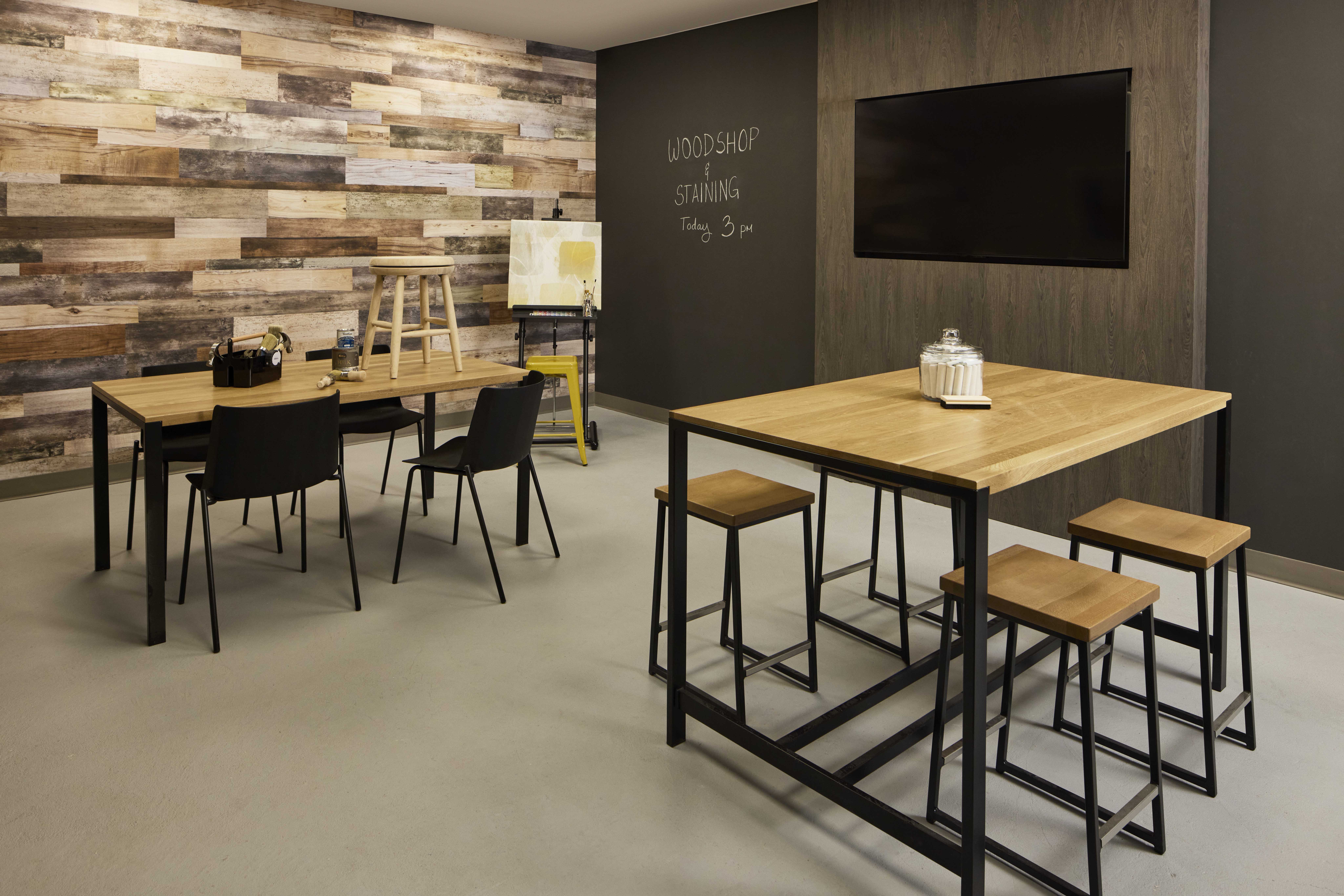
A strong and growing trend in multifamily communities is the addition of creative engagement spaces. Areas for light woodworking, crafting, painting, gift wrapping, and culinary demonstrations are just a few examples that reflect renters’ growing desire for mentally restorative activities.
As we look ahead to 2027, it’s clear that resident health and well-being continue to influence multifamily design features. These priorities will serve as key drivers of competitive advantage in the market.